EU Battery Regulation (2023/1542): The Importer Compliance Checklist
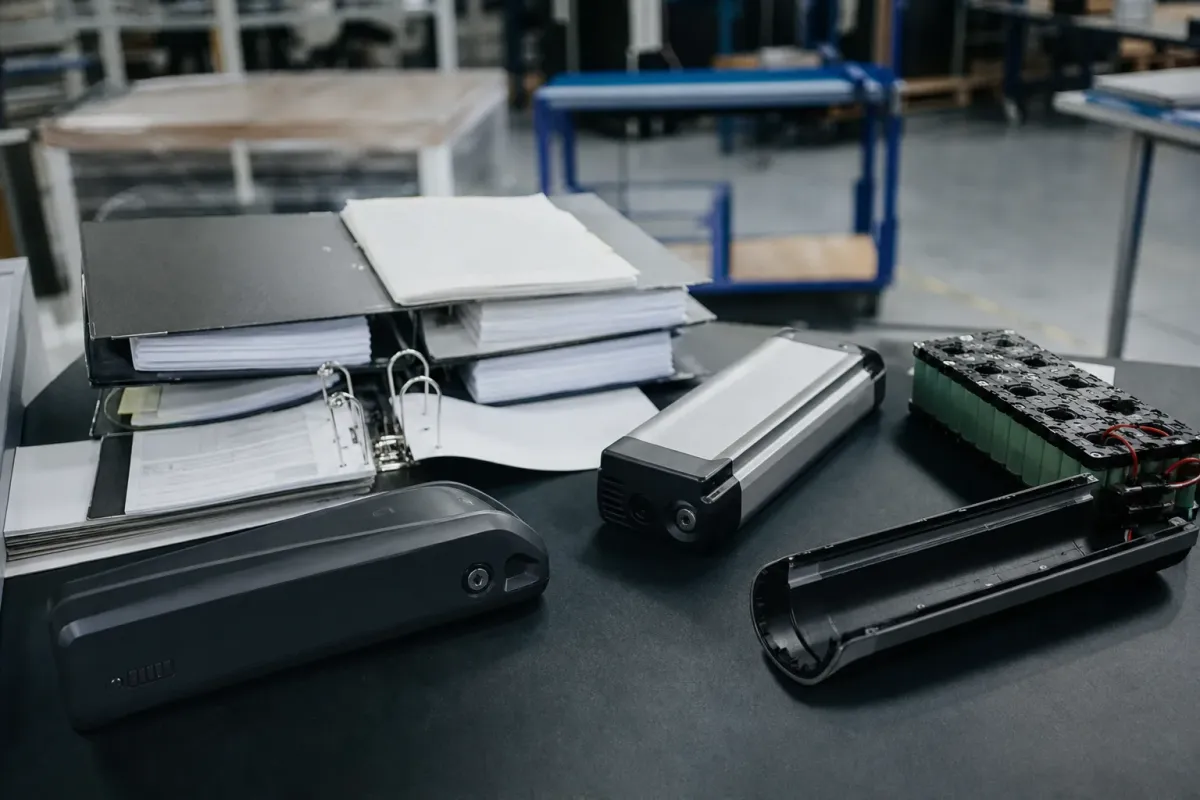
The EU Batteries Regulation is written largely in the language of “manufacturers,” so importers often read it and assume the compliance burden sits upstream. It does not. If you place e-bike battery packs on the EU market, (EU) 2023/1542 makes you a regulated economic operator with your own obligations — and “my supplier handles that” is not a defence when a market-surveillance authority comes asking.
This is the importer’s checklist: your specific duties, the timeline you actually have to track, and the documents to demand from your manufacturer. It drills down the EU side of importing e-bike batteries to the EU and US.
Why the importer is on the hook
Under EU product law, the importer is a defined economic operator — alongside the manufacturer, authorised representative, and distributor — with duties set out explicitly in Article 43. Regulation (EU) 2023/1542 entered into force on 18 August 2023 and applies from 18 February 2024 to anyone placing batteries on the EU market. Read the obligations in the consolidated text on EUR-Lex rather than a summary — the regulation has already been amended since publication. You cannot contractually delegate your importer obligations away; you can only make sure the manufacturer gives you what you need to meet them.
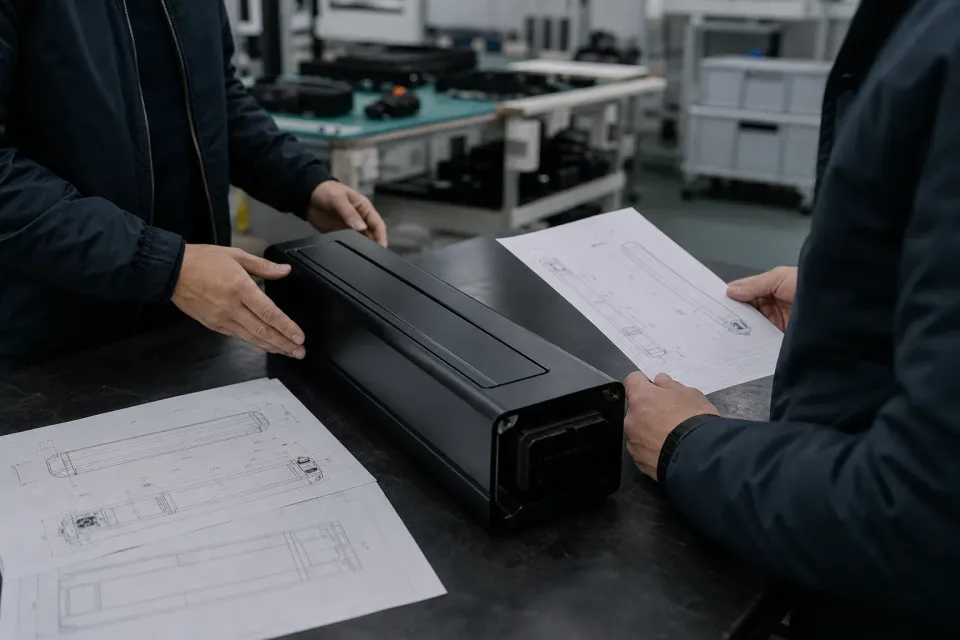
Your procedural duties as importer
Before and after a battery reaches the EU, the regulation expects you to do the following:
| Duty | What it means for the importer |
|---|---|
| Place only conforming batteries | Verify the manufacturer completed conformity assessment, drew up technical documentation, and affixed CE — before you import |
| Documentation custody | Keep the EU declaration of conformity for 10 years and ensure the technical documentation can be made available to authorities on request |
| Identification | Indicate your name and contact address on the battery, its packaging, or accompanying documents |
| Labelling & accompanying docs | Ensure required labels (including capacity, lifespan, and disposal information) and instructions are present |
| Substantive obligations | Ensure the battery meets carbon-footprint, recycled-content, due-diligence and (from February 2027) battery-passport requirements as they enter into force |
| EPR & corrective action | Support take-back and recycling obligations; take corrective action and cooperate with authorities for any non-conforming battery |
The first two rows are the ones importers most often skip — and the easiest for an auditor to check.

The obligations that phase in (2024–2031)
The regulation does not switch on all at once. Obligations arrive on a staggered timeline from 2024 through 2031, by category, so “what applies to me” depends on both the battery type and the date. The well-anchored milestones:
- 18 February 2024 — the regulation applies (it entered into force on 18 August 2023); the economic-operator duties above are live.
- 18 August 2026 — labelling expands: labels must carry capacity, lifespan, and proper disposal information (as applicable to the category). Packs shipping from that date need to satisfy the label content in Article 13 and Annex VI, so check anything already in transit across the changeover.
- February 2027 — the Digital Battery Passport applies for in-scope categories: a digital record carrying the battery’s data for traceability, reuse, and recycling.
Running across this timeline are the substantive duties: carbon-footprint declarations, recycled-content thresholds, supply-chain due diligence (for economic operators above defined turnover thresholds), removability/replaceability obligations (whose scope and timing differ by battery category), and Extended Producer Responsibility (take-back and recycling of what you place on the market).
One caution worth taking seriously: the per-category application dates — particularly the carbon-footprint rules for light-means-of-transport (LMT) batteries, the category that covers e-bikes — phase in through subsequent delegated acts. Do not pin a launch plan to a headline “2024” date. Verify the exact dates for LMT batteries against the Official Journal text or a regulatory specialist for your import date.

What to demand from your manufacturer
Almost every duty above resolves to documentation. The practical move is to make your manufacturer hand you the file up front:
- The EU Declaration of Conformity — you must keep this for 10 years — and assurance that the technical documentation can be produced to authorities on request.
- CE marking evidence and RoHS compliance, plus the UN 38.3 test summary and SDS that the transport layer needs.
- The data behind the substantive duties — carbon-footprint figures, recycled-content information, and, as it comes into force, the inputs for the battery passport.
A manufacturer that prepares this set at the packaging-and-shipment stage de-risks your EU placement; one that treats it as an afterthought transfers the risk to you. Ask any supplier to show the documentation set for a pack already sold into the EU — a real exporter has it on hand.
FAQ
Does 2023/1542 apply to me if I only import and don’t manufacture? Yes. The importer is a regulated economic operator under the regulation, with duties distinct from the manufacturer’s — including keeping the declaration of conformity and ensuring labelling and identification.
When is the Digital Battery Passport required? From February 2027 for the battery categories in scope. It is a digital record of the battery’s data supporting traceability, reuse, and recycling.
Do I need a carbon-footprint declaration for e-bike batteries right now? The carbon-footprint duties phase in by category, and the dates for LMT (e-bike) batteries have shifted. Confirm the current date against the Official Journal text rather than assuming the headline 2024 milestone applies to your packs.
Under (EU) 2023/1542 you cannot offload compliance to your supplier — but you can make documentation the lever that keeps you clear. See our quality and certifications page for the compliance coverage we ship with, or tell us your EU plans and we’ll outline the documentation set you’ll want in hand.