18650 vs 21700 Cells for E-bike Battery Packs
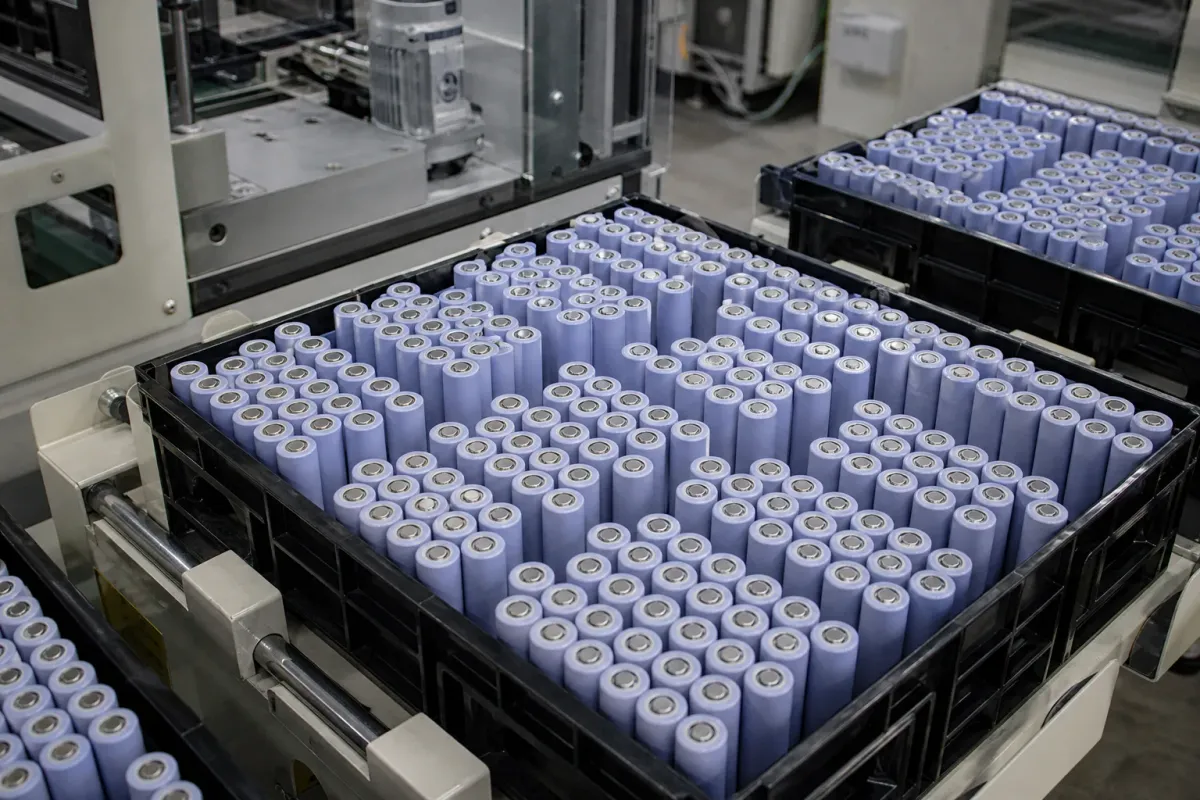
Once you’ve set voltage and chemistry, the next pack decision is the cell format. For cylindrical e-bike packs that comes down to two sizes — the long-established 18650 and the larger, newer 21700. They’re more alike than different, but the choice ripples through pack weight, reliability, cost, and enclosure fit.
This is a deep-dive on one of the six decisions in our E-bike Battery Pack Sourcing Guide for OEMs.
The short answer
21700 cells hold more energy each, so they hit a given capacity target with fewer cells, fewer weld points, and a bit better thermal behaviour — at a modest per-cell price premium. 18650 is the mature, widely available, second-sourceable format that still wins on tight enclosures and the lowest cost targets. Neither is universally better; enclosure geometry, capacity, and cell availability decide.
| 18650 | 21700 | |
|---|---|---|
| Dimensions | 18mm × 65mm | 21mm × 70mm |
| Relative cell volume | Baseline | ~50% larger |
| Typical high-capacity cell | ~3,500 mAh | 4,000–5,000 mAh |
| Cells for the same pack capacity | More | Fewer |
| Welded connections | More | Fewer — fewer failure points |
| Cell-level energy density | Lower | Higher |
| Thermal margin | Lower | Slightly better |
| Cost per cell | Lowest | ~10–20% premium |
| Second-sourcing | Widest supplier base | Narrower, still growing |
| Best fit | Slim or existing enclosures, lowest BOM cost | Higher pack energy density, simpler builds |
Each row is unpacked below.
What the numbers mean
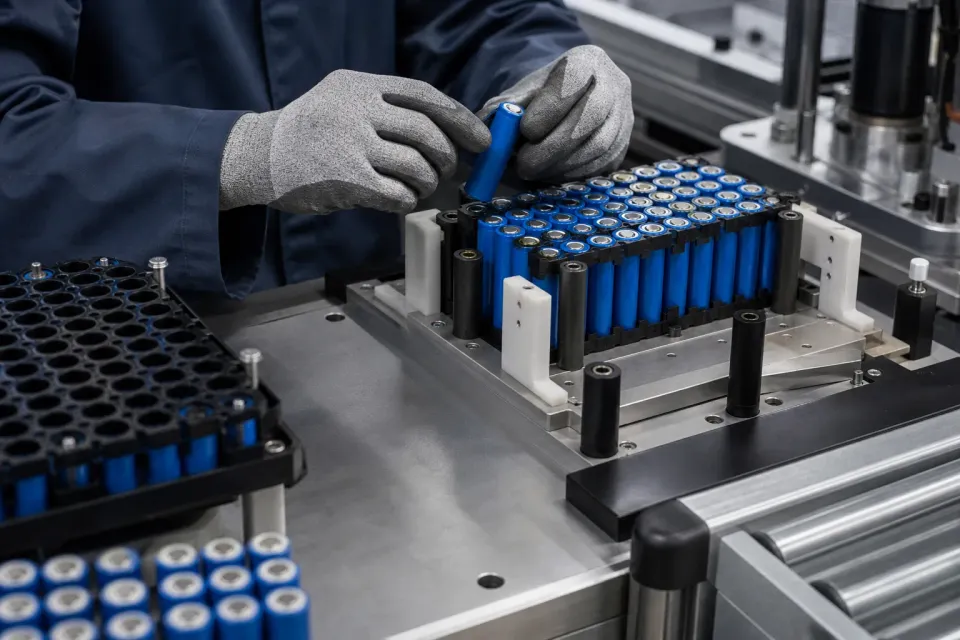
The format names are simply the cell dimensions, following the designation convention in IEC 61960-3, which also defines how the rated capacity quoted on a datasheet must be measured. An 18650 measures 18mm in diameter by 65mm long; a 21700 is 21mm by 70mm. That sounds like a small step up, but because volume scales with the square of the radius, the 21700 is roughly 50% larger by volume than the 18650 — and that extra volume is where its advantages come from.
Capacity & energy density
More volume means more active material, so the 21700 carries more energy per cell. A high-capacity 18650 tops out around 3,500 mAh, while a 21700 typically delivers 4,000–5,000 mAh. At the cell level the 21700 also offers higher energy density, so a 21700-based pack reaches a target watt-hour figure with less cell count — useful when range and pack-level energy density matter.
Pack-level effects: fewer cells, fewer welds, cooler running
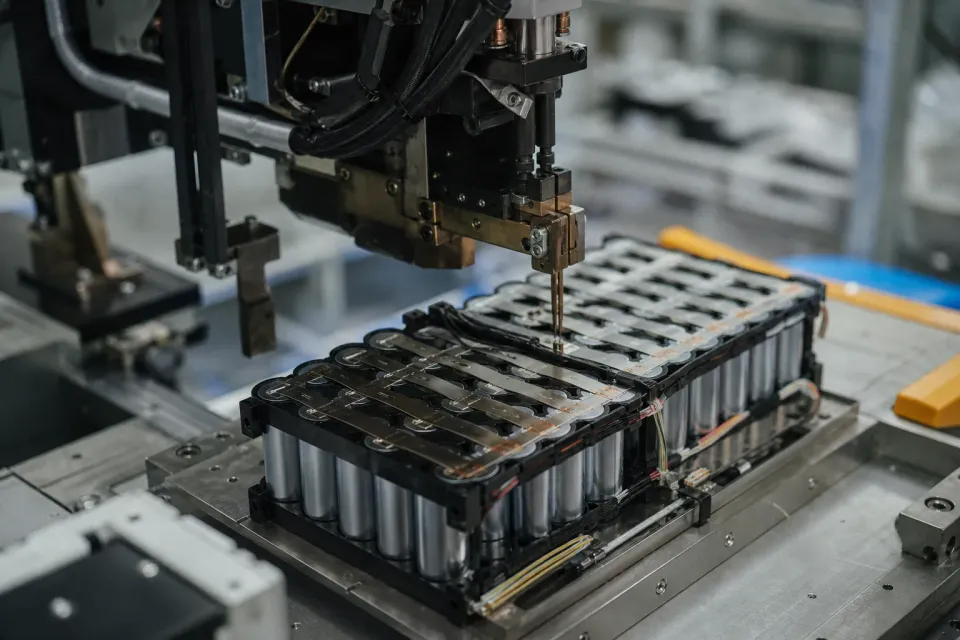
This is where the format choice earns its keep at OEM volume. Because each 21700 holds more energy, you need fewer cells to build the same-capacity pack — and fewer cells means fewer welded connections. Every weld is a potential failure point, so a lower cell count can simplify assembly and improve pack reliability. The larger cells also have more thermal mass and tend to run cooler under sustained load, which helps on hills and in continuous-duty use. The trade-off is that a 21700 pack won’t fit an enclosure designed tightly around 18650 geometry.
Cost & availability
The 18650 has been mass-produced for longer, is available from the widest range of suppliers, and is easy to second-source — valuable for supply-chain resilience and the lowest BOM cost. The 21700 generally costs around 10–20% more per cell, but because you need fewer of them to hit a capacity target, the pack-level cost gap is smaller than the per-cell figure suggests. As the industry continues shifting toward 21700, availability and pricing keep improving.
Which to spec
- Choose 21700 when you want higher pack energy density, a simpler/lower-count build, and better thermal margin, and your enclosure can accommodate the larger cell.
- Choose 18650 for slim or existing enclosures, the lowest cost targets, or when broad second-sourcing is a priority.
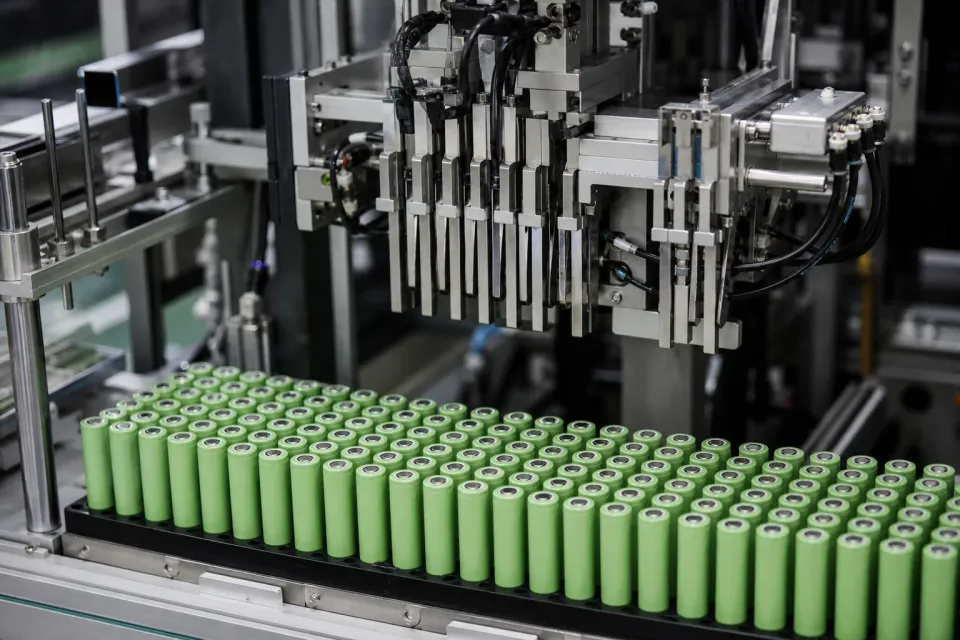
In practice, the deciding factors are enclosure geometry, the watt-hours you need, and cell availability from tier-1 suppliers — not the format in isolation. Lizo Power builds both 18650 and 21700 layouts across removable-case platforms; see our manufacturing capabilities for formats and enclosure options.
FAQ
Is 21700 better than 18650 for an e-bike? Often, for energy density — a 21700 is ~50% larger by volume, holds more energy (4,000–5,000 vs ~3,500 mAh), and builds a pack with fewer cells and welds. But 18650 is cheaper, more widely second-sourced, and fits tighter enclosures.
Why does fewer cells matter in a pack? Each cell-to-cell connection is welded, and every weld is a potential failure point. Reaching a capacity target with fewer (larger) 21700 cells means fewer welds, which can simplify assembly and improve reliability.
Cell format is one of six specs to lock before sourcing. See the full E-bike Battery Pack Sourcing Guide for OEMs. Both formats are available across our OEM pack platform — or request a quote for a pack matched to your enclosure and capacity.