E-bike Battery Export Certifications Explained: UN 38.3, IEC 62133, UL 2849 & EN 15194
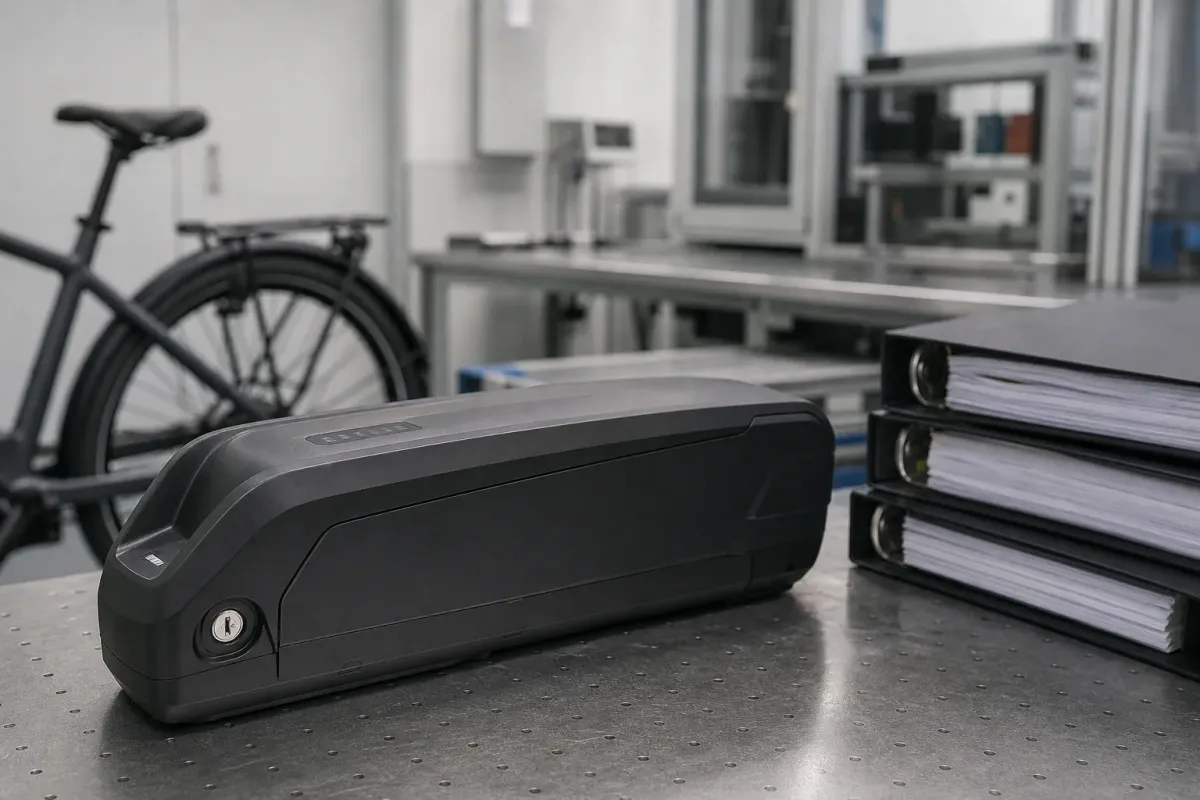
Certification is where e-bike battery programs quietly lose weeks. A pack can be electrically perfect and still be stuck at the freight forwarder, or blocked at customs in your target market, because the paperwork answers the wrong question. This guide separates the certifications that let you ship a battery from the ones that let you sell the e-bike — and maps them to the US and EU markets.
This is the certification deep-dive for our E-bike Battery Pack Sourcing Guide for OEMs.
Two questions every export cert answers
Battery compliance splits into two layers, and you need both:
- Can you transport it? Lithium batteries are dangerous goods. UN 38.3 governs this.
- Can you sell it in that market? Product-safety standards — IEC 62133, UL 2271/2849, EN 15194 — govern this, and they differ by region.
A supplier who hands you only one layer has not made you compliant.
UN 38.3 — you can’t even ship without it
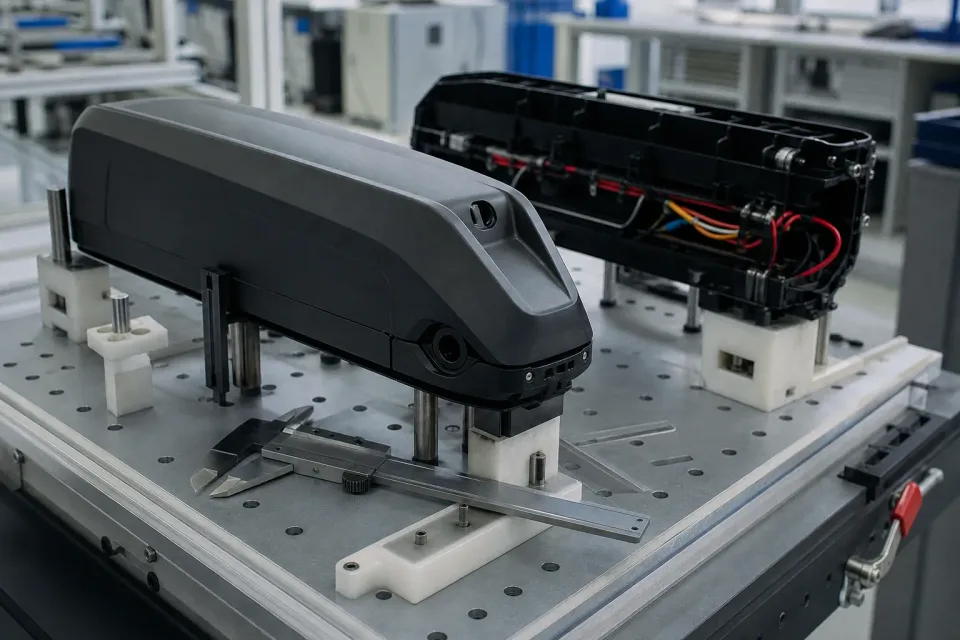
UN 38.3 is sub-section 38.3 of the UN Manual of Tests and Criteria (Recommendations on the Transport of Dangerous Goods), maintained by the UN Subcommittee of Experts and published by UNECE. It is mandatory to move lithium cells and batteries by air, sea, or road — without a UN 38.3 test report, freight forwarders and carriers can refuse the shipment.
It is a battery of eight tests that simulate transport stresses:
- T1 Altitude simulation
- T2 Thermal cycling
- T3 Vibration
- T4 Shock
- T5 External short circuit
- T6 Impact / crush
- T7 Overcharge
- T8 Forced discharge
The key point buyers miss: UN 38.3 is a transport qualification, not a product-safety mark. Passing it means the battery survives shipping — it does not mean the e-bike is approved for sale in any given country. For that you need the standards below.
IEC 62133 — the cell & pack safety baseline
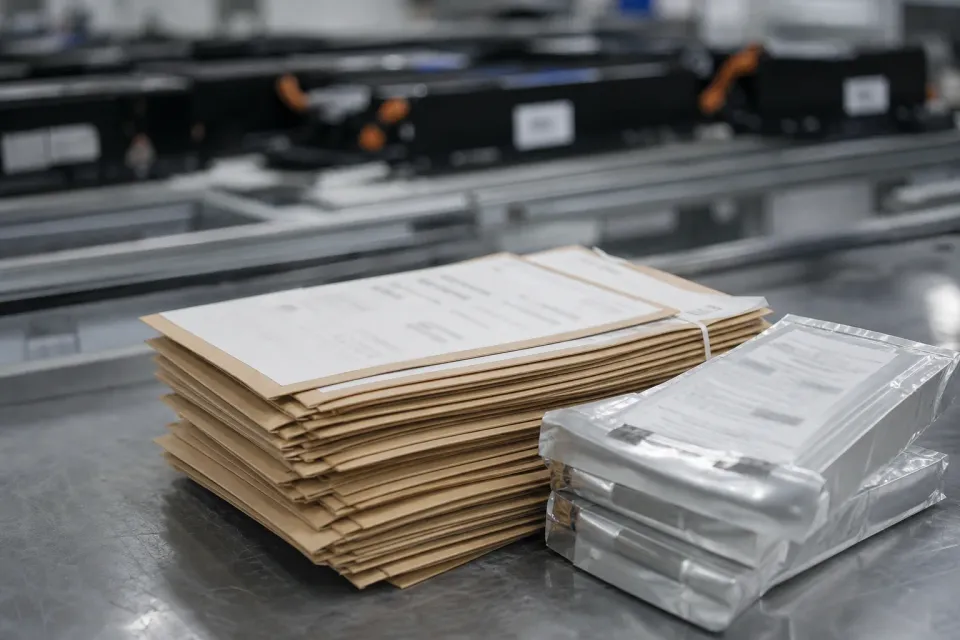
IEC 62133 is the international safety standard for rechargeable cells and battery packs. It is the widely referenced basis for CE marking of batteries in Europe and is recognised across many markets as the baseline product-safety test. If you sell into the EU, IEC 62133 (typically the 62133-2 edition for lithium systems) underpins your CE file. Treat it as the minimum product-safety credential, layered on top of UN 38.3 for transport.
UL 2271 & UL 2849 — the US picture
The US uses two related UL standards, and the difference matters in your RFQ:
- UL 2271 certifies the battery pack itself.
- UL 2849 certifies the complete e-bike electrical system — battery, charger, and drivetrain together. It is the more comprehensive credential, and UL 2849 requires the battery to be certified to UL 2271.
This is no longer optional in key US jurisdictions. New York City’s Local Law 39 (2023) requires any company selling, leasing, or distributing e-bikes and other micromobility devices to meet UL safety standards — making UL certification a market-access gate, not a nice-to-have. The CPSC has also proposed making both standards mandatory federally (91 FR 38162, June 2026) — still a proposal, but it points the same way. If the US is on your roadmap, specify UL 2271 at the pack level and UL 2849 at the system level from the start.
EN 15194 — the EU / UK / AU gate
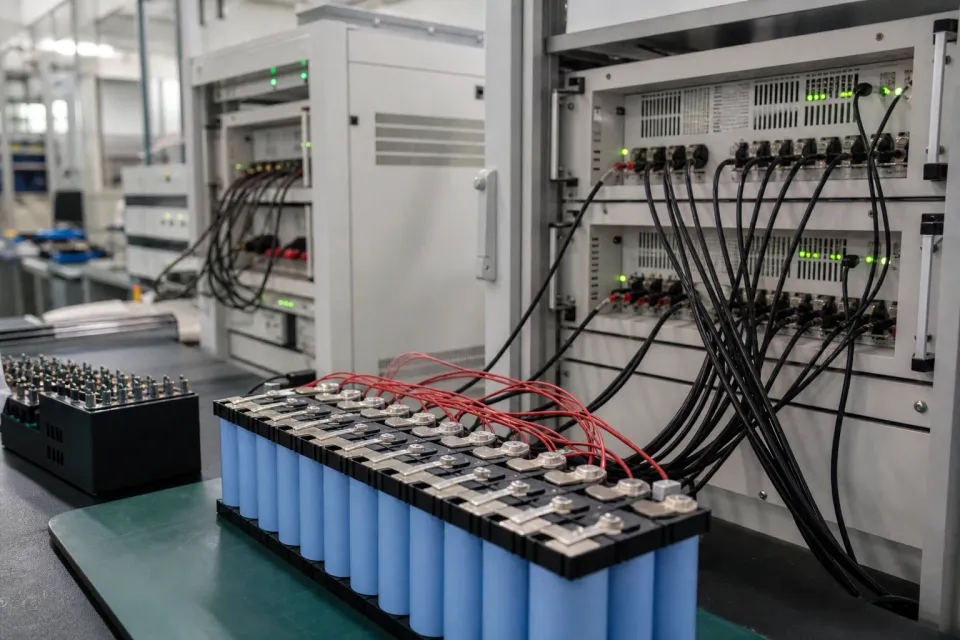
EN 15194 is the European standard for EPAC e-bikes — electrically power-assisted cycles with pedal assist, motor output limited to 250W, and assistance cutting off at 25 km/h. It carries harmonised status under the Machinery Directive by way of Commission Implementing Decision (EU) 2023/69, which is what gives conformity to EN 15194 its presumption-of-conformity value. It is required to import and sell EPAC e-bikes into the EU, and is referenced in the UK and Australia as well. EN 15194 covers the whole bike but includes the battery and electrical safety requirements, so your pack spec has to support it.
Which certificate for which market
| Certification | Layer | Where it applies |
|---|---|---|
| UN 38.3 | Transport (mandatory everywhere) | Air / sea / road shipping, global |
| IEC 62133 | Product safety (cell/pack) | EU CE basis + many markets |
| UL 2271 / UL 2849 | Product safety (pack / full system) | US (e.g. NYC Local Law 39) |
| EN 15194 | Product safety (EPAC bike) | EU, UK, AU |
What to ask your supplier
- Ask for the actual test reports, not just a logo on a brochure — a certificate number you can verify beats a marketing claim.
- Confirm UN 38.3 and the right market standard for each country you ship to.
- For the US, confirm both UL 2271 (pack) and UL 2849 (system) where the bike is sold as a complete vehicle.
Lizo Power supports CE, UN 38.3, IEC 62133, UL 2271, UL 2849, FCC, RoHS, WEEE, MSDS, RCM, and KC; the full matrix is on our quality and certifications page.
FAQ
Is UN 38.3 enough to sell an e-bike battery? No. UN 38.3 only qualifies the battery for transport. To sell into a market you also need the relevant product-safety standard — IEC 62133 for the EU CE file, UL 2271/2849 for the US, or EN 15194 for EU EPAC bikes.
What’s the difference between UL 2271 and UL 2849? UL 2271 certifies the battery pack on its own; UL 2849 certifies the entire e-bike electrical system (battery, charger, drivetrain) and requires the battery to already meet UL 2271.
Do I need EN 15194 and UL 2849 both? Only for the markets that require them. EN 15194 is the EU/UK/AU gate; UL 2849 is the US gate. Sell in both regions and you need both.
Certifications are one of six specs to lock before you source, and they ship with every pack in our product catalog. See the full E-bike Battery Pack Sourcing Guide for OEMs, or — once you know which approvals you need — how to actually ship and clear them in Importing E-bike Batteries to the EU and US. Ready to move? Request a quote and we’ll confirm the approvals for your target markets.