NMC vs LiFePO4 for E-bike Batteries: How to Choose the Chemistry
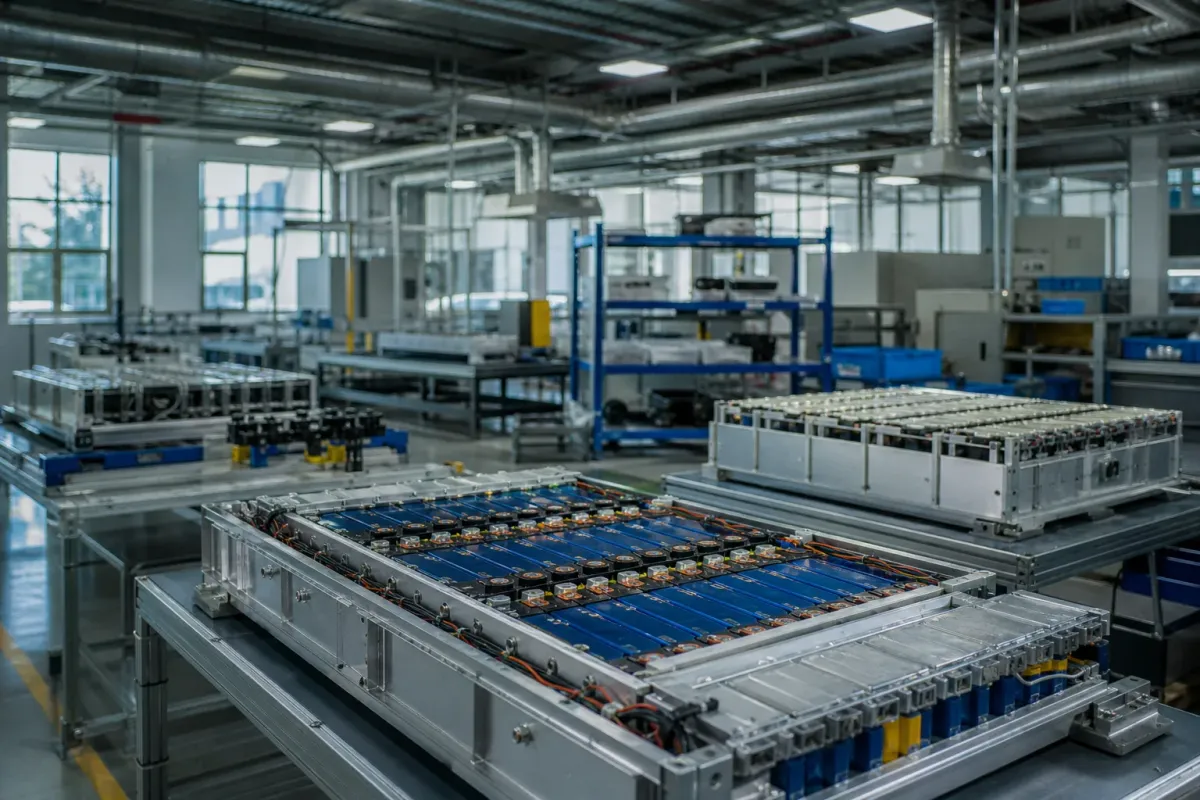
Chemistry is the e-bike battery decision with the longest shadow. It sets your pack’s weight, range, cycle life, safety profile, and cold-weather behaviour all at once — and you can’t change it after tooling. The choice is almost always between NMC (nickel-manganese-cobalt Li-ion) and LiFePO4 (lithium iron phosphate, or LFP). Here’s how they actually differ.
This is a deep-dive on one of the six decisions in our E-bike Battery Pack Sourcing Guide for OEMs.
The short answer
NMC is lighter and packs more range into the same space — the default for consumer e-bikes where weight and range sell. LiFePO4 is heavier and less energy-dense, but lasts far longer and is more thermally stable — the choice for high-utilisation fleets where total cycles and safety matter more than a few hundred grams. Match the chemistry to the duty cycle, not to a single headline number.
| NMC | LiFePO4 (LFP) | |
|---|---|---|
| Pack-level energy density | ~160–190 Wh/kg | ~130–150 Wh/kg |
| Typical cycle life | ~500–1,000 | ~2,000–5,000+ |
| Weight for a given range | Lower | Higher |
| Thermal stability | Safe in a well-engineered pack with a matched BMS | Higher — more abuse tolerant |
| Cold-weather behaviour | Retains more usable capacity in cold operation | More sensitive when charged in the cold |
| Upfront pack cost | Lower | Higher |
| Cost per cycle over life | Higher | Lower |
| Best fit | Consumer e-bikes: weight and range sell the bike | Rental, delivery, cargo, shared mobility |
Each row is unpacked below.
Energy density & weight
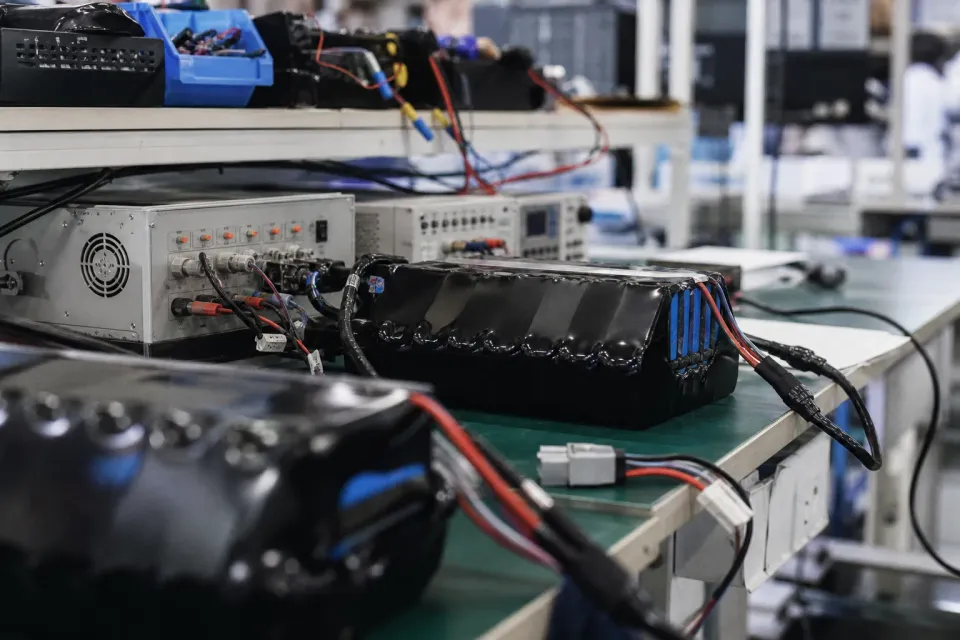
NMC carries more energy per kilogram — a gap the IEA’s Global EV Outlook battery analysis tracks across the whole industry, not just e-bikes. At the pack level, LiFePO4 typically lands around 130–150 Wh/kg versus roughly 160–190 Wh/kg for NMC (high-end NMC cells can reach ~260 Wh/kg before pack overhead). In practice that means an NMC pack hits a given range target lighter and smaller, or delivers more range in the same enclosure.
For a commuter or performance e-bike, where every kilogram is felt by the rider and range is a selling point, that density advantage is the headline reason NMC dominates the consumer segment.
Cycle life & total cost of ownership
This is where LiFePO4 turns the tables. LFP commonly delivers 2,000 to 5,000+ charge cycles, versus roughly 500 to 1,000 for NMC. For a battery that is cycled hard every day — rental fleets, delivery, shared mobility — that 3–5× longer life can dramatically lower cost per cycle and stretch replacement intervals, even though the upfront pack may cost more and weigh more.
If you sell to a consumer who charges a few times a week, NMC’s cycle life is plenty. If you operate the bikes yourself, run the total-cost-of-ownership math before defaulting to NMC.
Safety & thermal behaviour
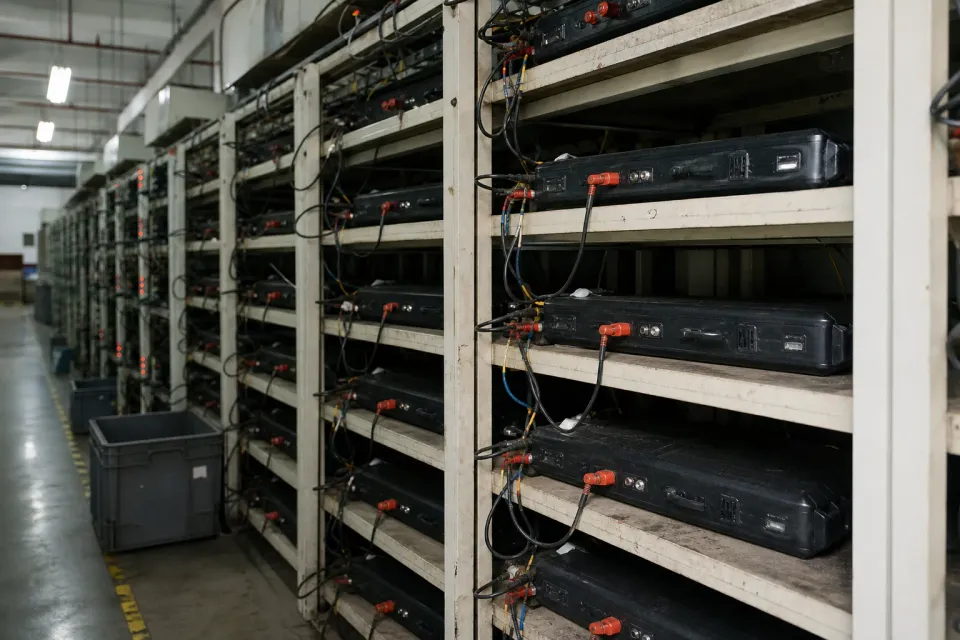
LiFePO4 is the more thermally stable chemistry. Peer-reviewed thermal-runaway characterisation of LiFePO4/graphite cells shows it resists overheating and is less prone to thermal runaway, which is why it’s favoured where safety and abuse tolerance outrank weight. NMC is safe in a well-engineered pack with a properly matched BMS, but it stores more energy more densely and demands more careful thermal management. For high-capacity packs, fleet charging in shared spaces, or markets with strict fire-safety scrutiny, LFP’s stability is a meaningful advantage.
Cold-weather performance
Cold weather is nuanced — don’t expect a clean winner. NMC generally adapts better to cold operation and tends to retain more usable capacity at low temperatures, which is one reason it suits cold-climate consumer bikes. LiFePO4 can be more sensitive when charged in the cold. The rule that applies to both chemistries: avoid fast-charging below freezing, and design in temperature sensing and charge current limits via the BMS. If your bikes ship to cold markets, raise this with your supplier explicitly rather than assuming the cells will cope.
Which to spec, by use case
- Choose NMC for consumer commuter, performance, and folding e-bikes where weight, range, and a competitive price drive the buying decision.
- Choose LiFePO4 for rental, delivery, cargo, and shared-mobility fleets where daily deep cycling, long service life, and thermal safety outweigh extra weight.
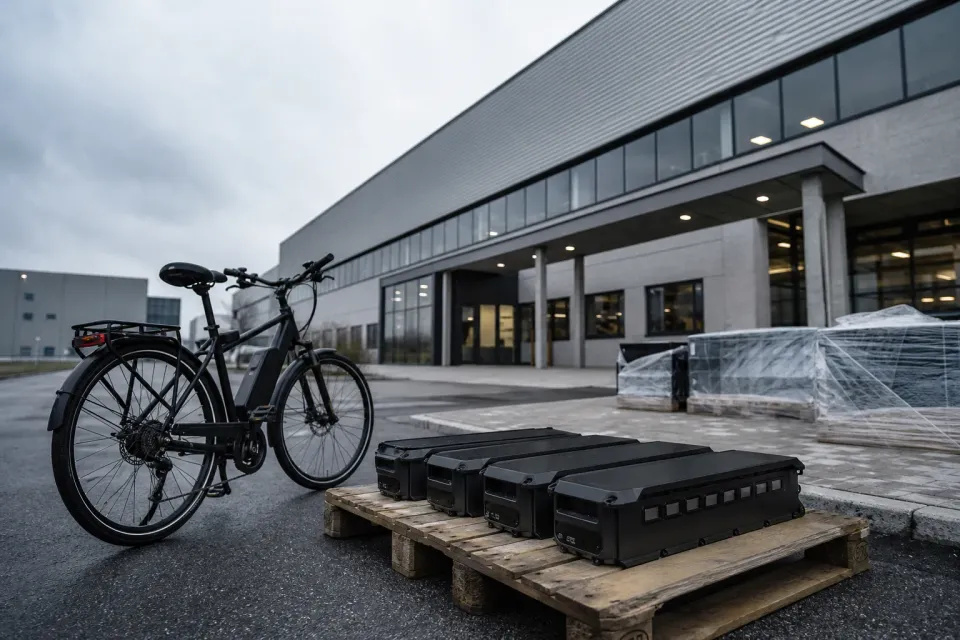
Lizo Power builds packs in both NMC/Li-ion and LiFePO4 to your target weight, range, and certification profile; see our manufacturing capabilities for cell and format options.
FAQ
Is LiFePO4 better than NMC for e-bikes? Neither is universally better. LiFePO4 lasts longer (2,000–5,000+ cycles) and is safer; NMC is lighter and offers more range per kilogram. Fleets often favour LFP; consumer bikes usually favour NMC.
Why do most consumer e-bikes use NMC? Energy density. NMC’s ~160–190 Wh/kg (vs LFP’s ~130–150 Wh/kg) means a lighter pack and more range in the same space — the qualities that sell a consumer e-bike.
Chemistry is one of six specs to lock before sourcing. See the full E-bike Battery Pack Sourcing Guide for OEMs, Either chemistry can be built into a custom pack, or request a quote for a pack matched to your use case.