Shipping Lithium E-bike Batteries by Air and Sea: A Dangerous-Goods Playbook
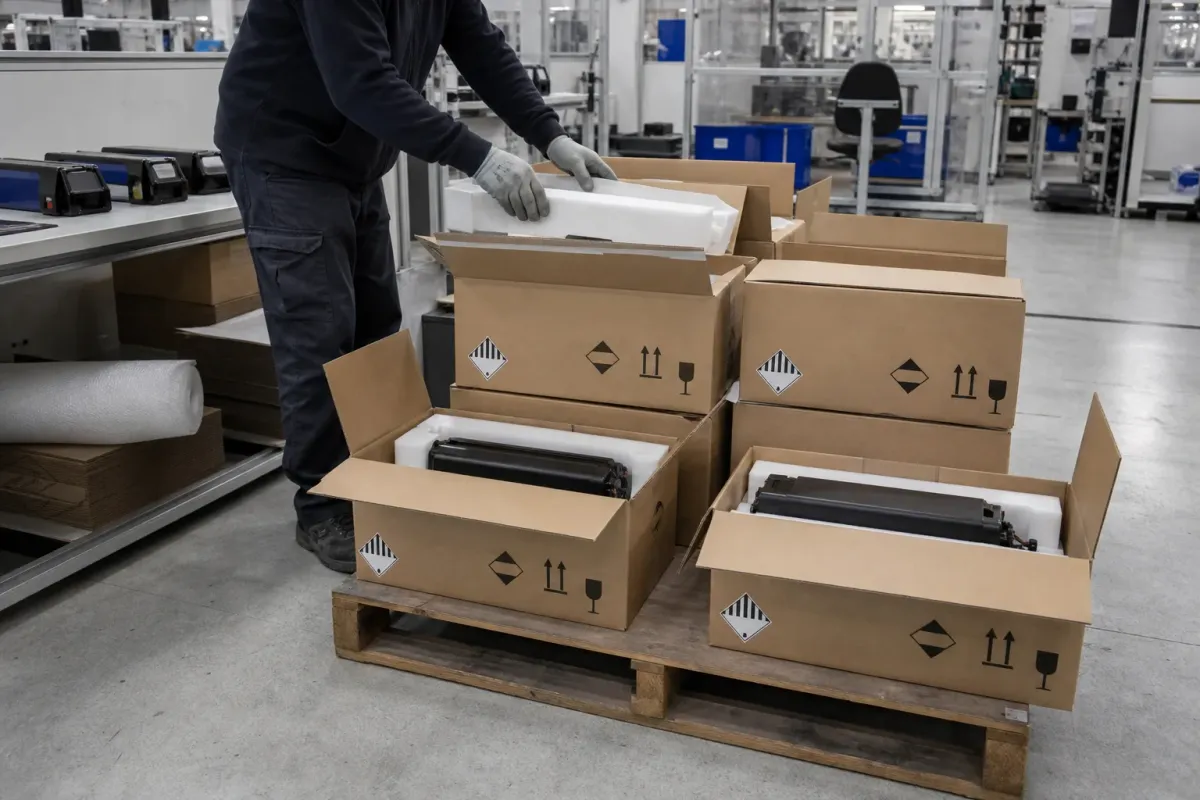
When an e-bike battery shipment is refused at the airport or held at the port, the cause is almost never the battery. It is the classification, the packing, or the documents. Lithium packs are Class 9 dangerous goods, and shipping lithium e-bike batteries by air and sea comes down to three things done right: classify the consignment correctly, use mode-correct packing, and carry the documents that must travel with the freight.
This is the transport-layer drill-down from importing e-bike batteries to the EU and US. It covers the mechanics of moving the goods, not the market rules once they land.
UN3480 or UN3481 — which applies to your shipment?
Everything downstream depends on classification. Lithium batteries are Class 9 dangerous goods. Small cells and batteries below defined watt-hour thresholds can ship under excepted or “Section II” provisions with reduced packaging and paperwork — but they are still Class 9, not a separate non-hazardous category. E-bike packs sit well above those thresholds (typically over 100 Wh, often several hundred), so they almost always ship fully regulated, with quantity limits set by watt-hours.
Two UN numbers decide your paperwork:
- UN3480 — lithium-ion batteries shipped on their own.
- UN3481 — lithium-ion batteries contained in, or packed with, equipment.
Get this wrong and the packing instruction, marks, and declaration are all wrong with it.
Three modes, three rule sets
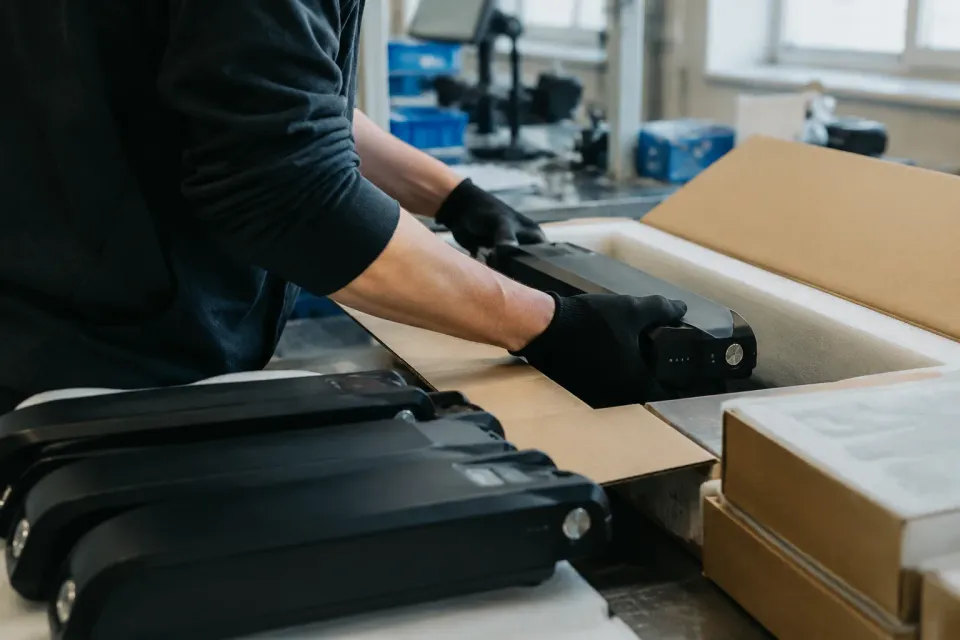
Each transport mode runs its own dangerous-goods regime. The pack does not change; the rules around it do.
| Mode | Rule set | Key packing | Watch out for |
|---|---|---|---|
| Air | IATA DGR (ICAO TI) | PI 965 (alone) / 966 (with equip.) / 967 (in equip.) | Li-ion alone must be at ≤30% state of charge; Wh-based quantity limits; strictest mode |
| Sea | IMDG Code | P903 (fully regulated) | Vessel stowage + segregation; slower but higher quantity tolerance |
| Road / Rail | ADR / RID (EU) | Class 9 packaging | Used for inland legs; placarding/marking thresholds |
In the US, regardless of mode, lithium batteries are also regulated as a hazardous material under the DOT Hazardous Materials Regulations (HMR), 49 CFR Parts 171–180 — the lithium-specific section is 49 CFR 173.185, and PHMSA publishes a shipper’s guide that translates it.
What are the rules for shipping batteries by air?
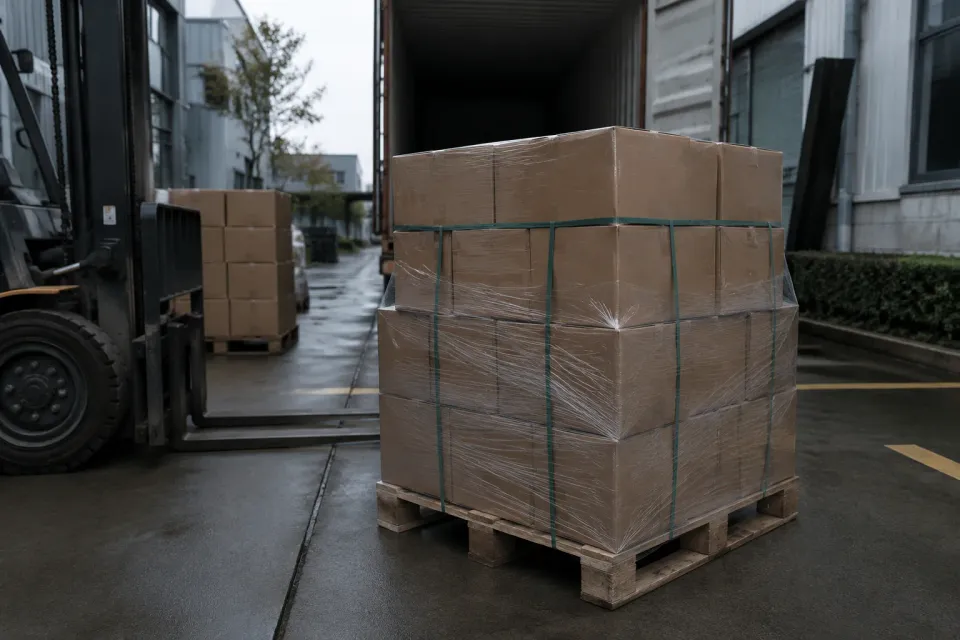
If you are flying packs, plan around the tightest rules. Air shipments follow the IATA Dangerous Goods Regulations, with packing instructions PI 965 (batteries alone), PI 966 (packed with equipment), and PI 967 (contained in equipment). Two air-specific constraints catch people out:
- State of charge. Lithium-ion cells and batteries shipped by air under UN3480 (PI 965) must be at no more than 30% state of charge. A fully charged pack cannot legally fly — plan for packs to arrive partially charged.
- Watt-hour limits. The small-battery “Section II” allowances stop at roughly 20 Wh per cell and 100 Wh per battery; e-bike packs are far larger, so they ship fully regulated under Section I rather than as excepted small batteries.
One caveat that matters: the IATA and ICAO rules are revised annually by edition. PI details, thresholds, and state-of-charge specifics can shift, so confirm the current edition with your freight forwarder for your actual ship date.
What are the rules for shipping batteries by sea?
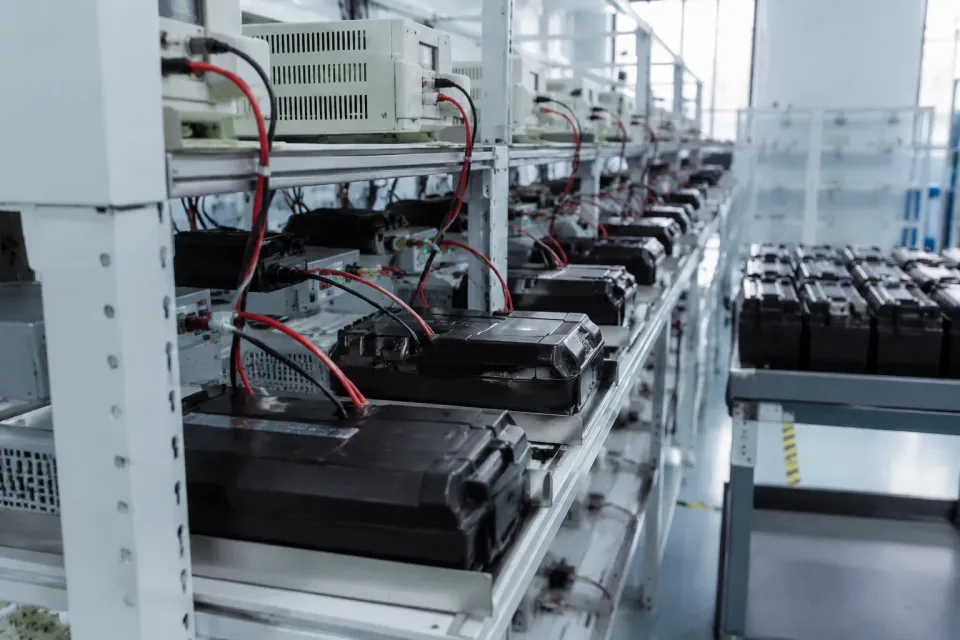
Ocean freight runs under the IMDG Code, maintained by the IMO. Fully regulated lithium batteries follow Packing Instruction P903, and the shipper carries responsibility for compliance with the applicable rules. Smaller, compliant packs may qualify for the relief under Special Provision 188, but full e-bike packs are normally fully regulated and follow P903. Sea trades speed for tolerance: transit is far slower than air, but the quantity allowances are higher and the state-of-charge constraint is not the same hard 30% air gate. Vessel stowage and segregation requirements apply, so the booking has to declare the goods correctly — and, like the air rules, the IMDG Code is revised on a regular edition cycle, so confirm the edition in force.
For most OEM programs, sea is the default for volume orders and air is reserved for samples and urgent top-ups — which is exactly why the ≤30% state-of-charge rule on the air leg is worth confirming before a rushed sample ships.
The documents that must travel
For a fully regulated shipment, three documents anchor the consignment (smaller packs under Section II or Special Provision 188 carry reduced paperwork):
- Dangerous Goods Declaration (DGD) — the shipper’s declaration of the consignment’s hazard details, required for fully regulated shipments. It must be completed and signed by trained DG staff, not improvised.
- UN 38.3 test summary — must be made available across the supply chain (the manufacturer can provide it by document, URL, or QR code rather than a paper copy per shipment); it is the manufacturer’s proof the cells/packs passed transport testing. For what UN 38.3 actually tests, see the certifications guide.
- Safety Data Sheet (SDS/MSDS) — handling and emergency information.
A capable manufacturer prepares this set at the packaging-and-shipment stage and ships air consignments at a compliant state of charge. Before a shipment books, confirm three things with your manufacturer and forwarder: the classification matches the exact pack, air packs are at ≤30% SoC, and the documents reflect the current edition of the mode’s rules.
FAQ
Should I ship e-bike batteries by air or sea? Air is fastest but strictest — Class 9, PI 965/966/967, and a ≤30% state-of-charge limit for Li-ion shipped alone. Sea (IMDG, P903) is slower but offers higher quantity tolerance. Most OEM volume moves by sea; air is for samples and urgent orders.
Who is responsible for the dangerous-goods declaration? The shipper, and it must be completed by trained dangerous-goods staff. Your manufacturer or forwarder should handle it — but you confirm the consignment is classified to match the actual pack.
Can I air-freight a fully charged e-bike battery? No. Lithium-ion batteries shipped by air under UN3480 (PI 965) must be at no more than 30% state of charge.
Clean shipping comes down to classification, mode-correct packing, and the document set — and a manufacturer who prepares all three is the difference between a smooth lane and a held container. See our quality and certifications page for the documentation we ship with, or tell us your lanes and volumes and we’ll confirm how your packs would move.