How to Verify an E-bike Battery Supplier's Certificates Are Genuine
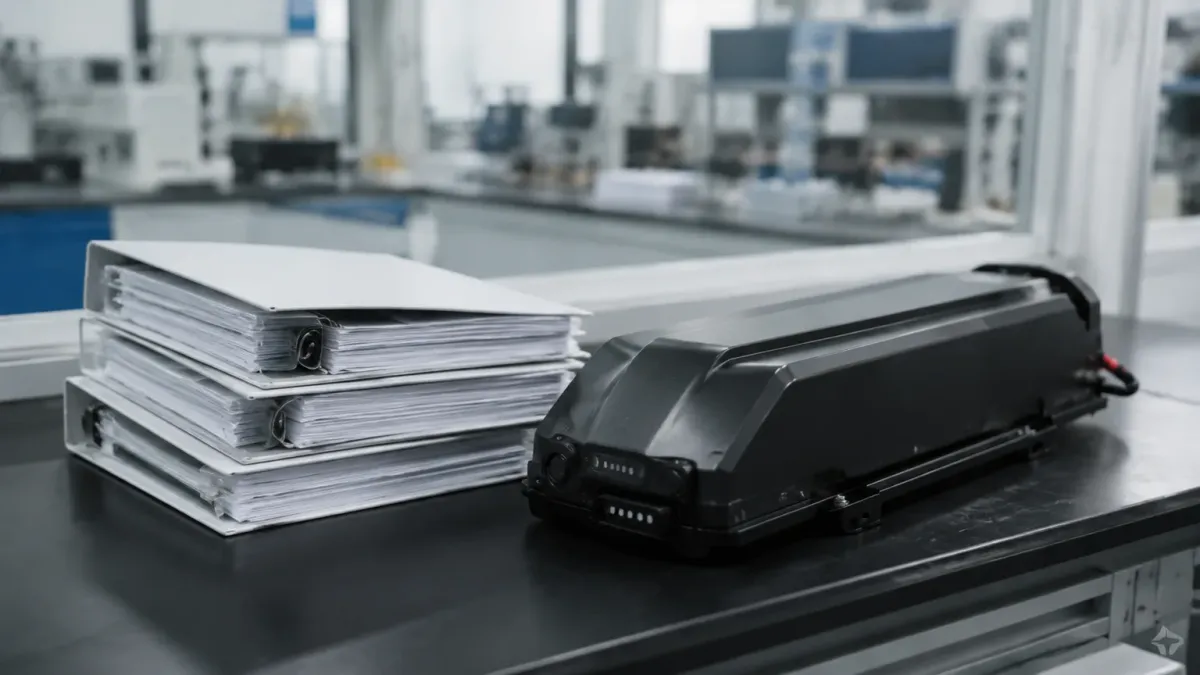
A certificate PDF is not proof of compliance. In lithium battery sourcing, the most common documentation problem is not a missing certificate — it is a real-looking one that belongs to a different product, has expired, or was edited. Because several key marks are self-declared rather than issued by an authority, the burden of verification falls on you, the buyer.
This is the verification companion to our guide on choosing an OEM manufacturer. It covers how certificates get misrepresented and the concrete checks that separate a genuine document from a borrowed one. For what each mark actually attests, see our export certifications guide.
Why certificates get misrepresented
Most problems are not outright forgery — they are looser than that:
- Borrowed. A test report for a similar model is presented as if it covers the pack you are quoting. The cell, capacity, or BMS differs.
- Partial. You receive a summary or cover page, not the full report, so the tested configuration and results can’t be checked.
- Expired or superseded. The mark refers to a withdrawn standard edition, or a report years past its issue with no evidence the design is unchanged.
- Self-declared, then overstated. A self-declaration is presented as if a third party certified it.
The last point is the one buyers most often misread, so it is worth being precise about.
Understand what is self-declared vs third-party
Not every mark comes from an independent body, and treating a self-declaration as third-party certification is a verification error:
- CE for many product requirements is affirmed by the manufacturer through an EU Declaration of Conformity (DoC). For these self-assessment routes there is no “CE certificate” issued by an authority — so a glossy “CE certificate” is not what you should be asking for. Ask for the Declaration of Conformity and the supporting test reports it relies on.
- UN 38.3 requires no single UN-mandated third-party certificate. The manufacturer (and subsequent distributors) is responsible for compliance, and since 1 January 2020 a UN 38.3 test summary must be made available through the supply chain. Because it is self-managed, ask for the actual test summary — matched to your cell and pack — not a claim of compliance.
- IEC 62133-2 compliance is demonstrated by a test report. Under the IECEE CB Scheme, a CB Test Certificate is issued by a National Certification Body (NCB), with an associated CB Test Report from an accepted CB Testing Laboratory (CBTL), and is verifiable through IECEE records — a stronger form of evidence than a bare statement.
The practical rule: know which document actually exists for each mark, and ask for that document.
The verification checklist
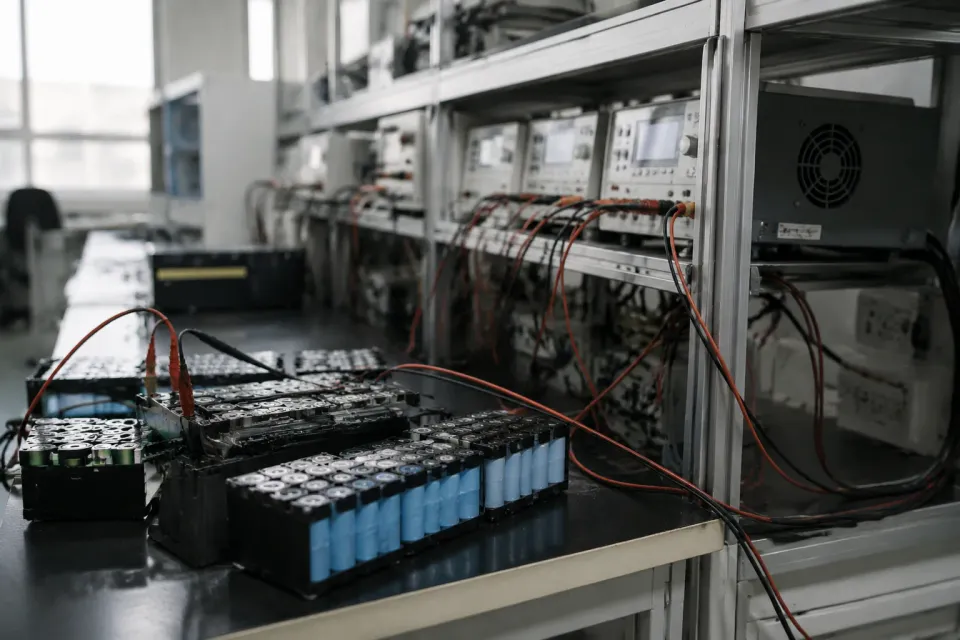
For every certificate or report a supplier provides, run these checks:
- Match to your bill of materials. The cell brand, model, capacity, voltage, and pack configuration on the report must match your exact quote. A report for a 48V pack does not cover your 52V build.
- Confirm the test laboratory is accredited. Credible reports come from labs accredited to ISO/IEC 17025 for the relevant test scope, ideally under an ILAC-MRA signatory body (for example CNAS in China, UKAS in the UK, A2LA in the US). Check the lab’s accreditation number and scope, not just its logo.
- Check numbers, dates, and scope. Verify the certificate/report number, issue date, standard edition (e.g. IEC 62133-2:2017/AMD1:2021), and the tested model. An old report against a superseded edition is a red flag.
- Cross-check with the issuing body. For CB Scheme certificates and marks from bodies like TÜV, UL, or Intertek, verify the number against the issuer’s public database rather than trusting the PDF.
- Require the full report, not the cover page. The tested configuration and pass/fail data live in the body of the report. A supplier who will only share a summary is telling you something.
Red flags
| Signal | What it usually means |
|---|---|
| Only a cover page or one-line “certificate” offered | Full report may not exist for your configuration |
| Model/cell on document differs from your quote | Borrowed from another product |
| ”CE certificate” presented for a self-declared route | Misunderstanding — or misrepresentation — of what CE requires |
| Lab logo but no accreditation number/scope | Unaccredited or unverifiable testing |
| Reluctance to let you contact the test lab | Document may not withstand a direct check |
Any single flag warrants a question; two or more warrants walking away.
What to request, in writing
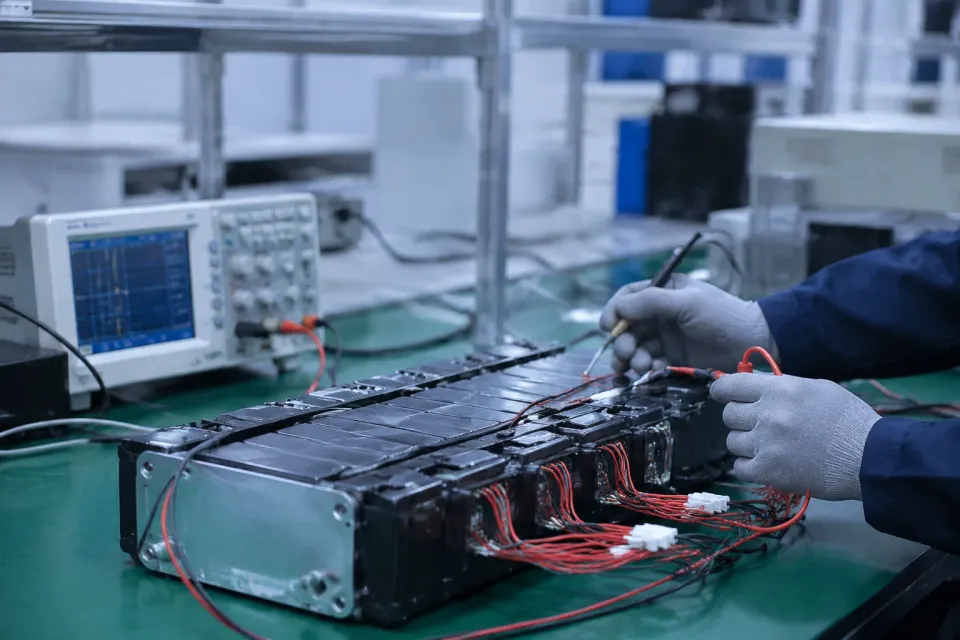
Ask for a documentation set tied to your exact pack:
- The EU Declaration of Conformity (for CE), plus the EMC test reports it references — and LVD reports only if the pack falls within the Low Voltage Directive’s scope (many e-bike packs sit below its 75 V DC threshold).
- The UN 38.3 test summary for the specific cell and pack.
- The IEC 62133-2 test report — ideally a CB Test Certificate plus CB Test Report — from an ISO/IEC 17025-accredited lab.
- For the EU market, evidence of EU Battery Regulation (2023/1542) conformity as its obligations phase in.
- RoHS documentation, plus an MSDS/SDS — noting the SDS is safety-handling information for transport, not a compliance certificate.
For how these obligations differ by destination market, see our EU/US import overview.
Verification is the deal
Genuine suppliers expect this scrutiny and make verification easy — accredited reports, traceable numbers, documents matched to your BOM. You can see how we map compliance documentation to each pack on our quality page.
If you want to put a supplier’s documents through this check, send us your spec sheet and we’ll respond with the matching, verifiable compliance documentation for the exact pack quoted.